I recently watched Luce (2019) and I proclaim it one of the best films of the year. The film is about a light skinned African child soldier who is adopted by upper-class white parents and blossoms into the star of his high school. The white teachers and peers crown him their Golden boy because he is bright, articulate, polite, athletic, and has a nice smile. He is constantly asked to give speeches to the entire school, and much like Obama, held up as an example of the American dream.
However his history teacher, portrayed flawlessly by Octavia Spencer, begins to worry that Luce is too good to be true. As a dark skinned overweight black woman like Oprah, she had to claw her way up the ladder using hard work and brains, not having the luxury of being a light skinned male with upper-class white parents.
Realizing this teacher is a problem, he mysteriously starts charming her mentally ill younger sister, even suggesting the teacher invite her to school to see one of his speeches.
Of course the last thing this dignified teacher wants is for the white suburban school to know she has a schizophrenic sister with what appears to be an IQ around 70, resulting in one of the most graphic and humiliating scenes in movie history.
Was this all part of Luce’s master plan? The film doesn’t say, forcing the viewer to decide whether Luce is a misunderstood victim of society’s expectations, or a charming sociopath manipulating everyone.
The film is so good that a racist might assume it was written and directed by whites, but in fact the director and writers are black. When I learned this, I immediately suspected (correctly) that the director and co-writer was born in Africa, because such talent is more likely to be found among elite immigrants than the native population of any race.
However the Nigerian director (Julius Onah) gives much of the credit to his co-writer JC Lee who looks like a scrawny giggling Australian aboriginal with ripped jeans, though I suspect he’s African American.
Here is the complete list ranked from most influential to least influential:
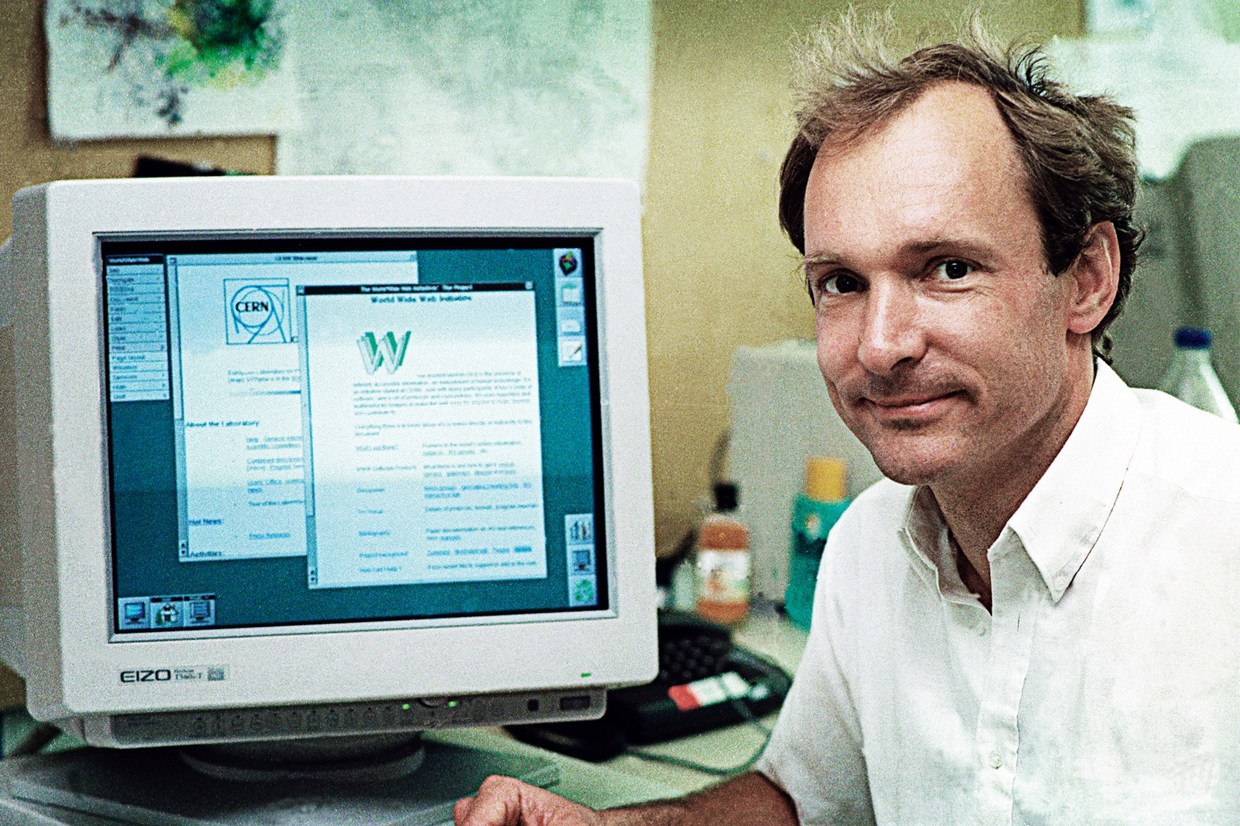
1.Tim Berners Lee: played the leading role in developing the internet; the most influential technology on the planet
2. George W. Bush: president of the United States during the 9/11 attacks and the start of the war on terror.
3. Barry Shein: played a key role in the development of the internet
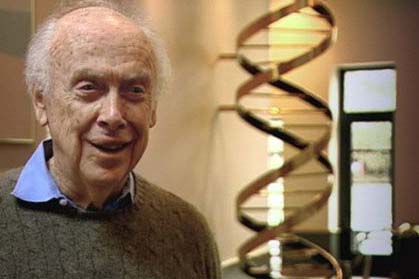
4. James Watson: helped discover the structure of DNA, revolutionizing the fields of biology, anthropology and law.
5. Steve Wozniak: Helped launch the technology revolution
6.Paul Mockapetris: played a key role in the development of the internet
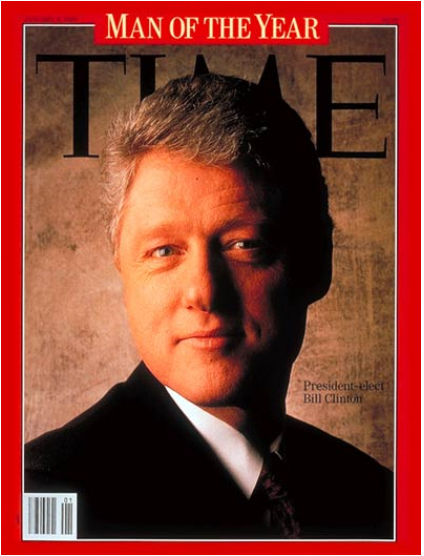
7. Bill Clinton: President of the World’s most influential country at the peak of its influence
8. Bob Kahn: played a major role in the development of the internet
9. Khalid Sheikh (Shaikh) Mohammed: considered a mastermind of the September 11th attacks which dramatically changed the World
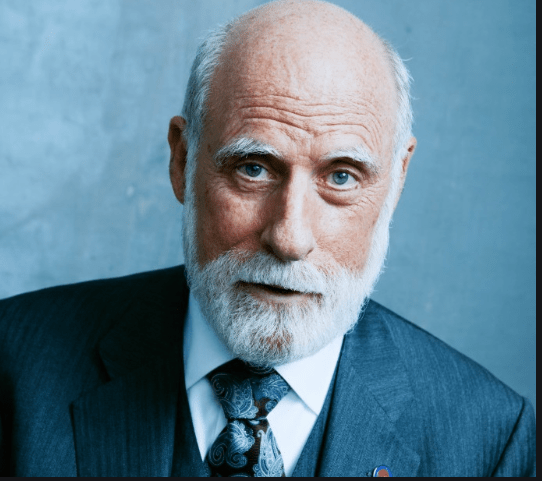
10. Vint Cerf: played a key role in the development of the internet
11. Mikhail Gorbachev : played a key role in the fall of the Soviet Union
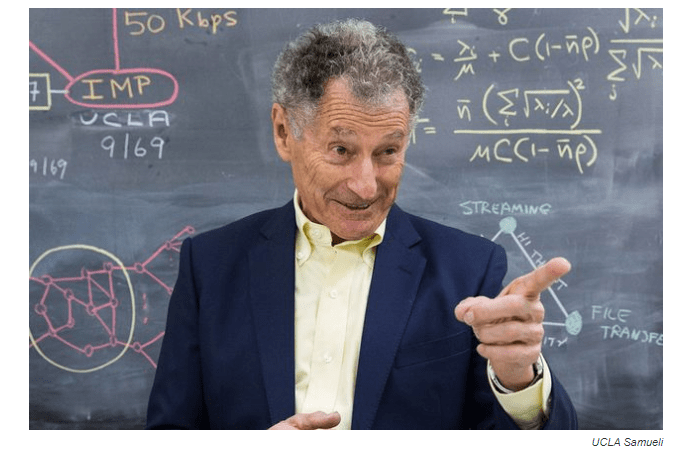
12. Leonard Kleinrock: played a key role in the development of the internet
13. David Ho: The man who saved us from AIDS
14. Bill Gates: played a key role in launching the computer revolution and saved millions of Third World lives
15. George Soros: Instrumental in advancing leftist policies in America and Europe
16. John Klensin: played a key role in developing the Internet
17. Michael Froman: the man who chose Obama’s cabinet
18. Oprah: Created confession culture & a more intimate form of media communication, paving the way for social media and reality TV. Broke the taboo over discussing sexual abuse, leading millions of victims to recovery. Even back in the 1980s, popularized a genre of talk show that’s been credited with mainstreaming LGBT people. Played the decisive role in electing the first black president and first black First Lady of the United States; a President who brought health care to millions of Americans. Her televised book club has been credited with making literature accessible to millions.
19. Yogen Dalal: played a key role in developing the internet
20. Xi Jinping: presiding over the rise of China with economic policies that turned the Iraq war to China’s advantage. The fear that China duped America in trade deals helped inspire Trump to run for President.
21. Bob Iger: helped shape American media for decades thus paving the way for a black president and gay rights.
22. Gerald Levin: consolidated mass media in America
23. Michael Eisner: influential media mogul
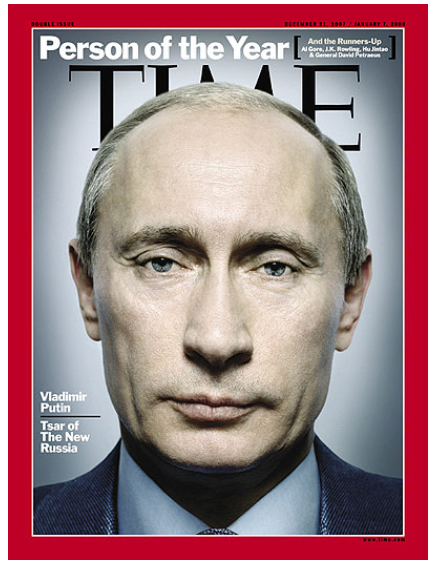
24. Vladimir Putin: Although his direct influence on the election of Trump has been greatly exaggerated, according to commenter Tenn he has changed the world’s geopolitical landscape more in recent years than has any other individual.
25. Jack Dorsey: the founder and CEO of twitter
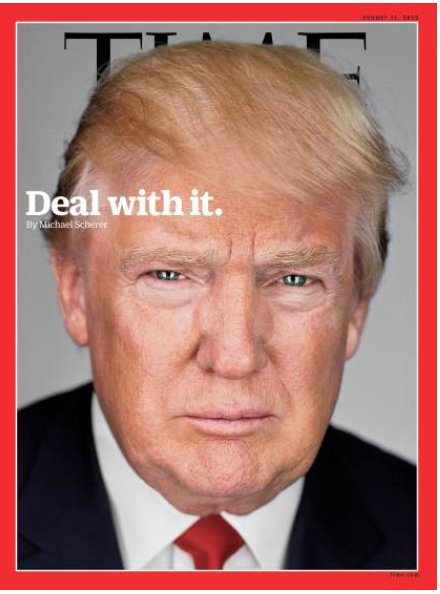
26. Donald Trump: the man who ended political correctness.
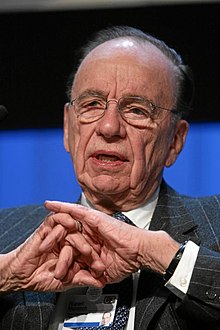
27. Rupert Murdoch: his global right-wing media empire has changed the World
28. Mark Zuckerberg: created the most influential social networking forum
29. Robert Rubin: His advocacy for financial deregulation helped pave the way for the populist uprising that gave us Trump
30. Barack Obama [impact score 160]: First black in recorded history to ever be the most powerful human on the planet. Brought dignity and status to over a billion blacks. Brought healthcare to millions of working Americans. Saved America from a great depression and the world from an apocalyptic war with Iran, and achieved gay rights. Some foreign policy blunders combined with the controversy over his birth, helped pave the way for Trump.
31. Angela Merkel: played a major role in changing the demographics of Europe
32. Bashar Hafez al-Assad: in power during the Syrian refugee crisis
33. David Plouffe: played a key role in electing Barack Obama president
34. Katie Couric: The woman who destroyed Sarah Palin’s political ambitions, thus paving the way for Obama to get elected
35. Julian Assange: In spite of (or perhaps because) he is “autistic” according to a character in a Jonathan Franzen novel, the Nordic Assange advanced his ethnic genetic interests by helping Trump get elected.
36. Mohammed Mana Ahmed al-Qahtani: Accused of being one of the 9/11 co-conspirators
37-41. The Dancing Israelis: Their behavior on September 11th 2001 inspired countless conspiracy theories
42. Ramzi bin al-Shibh: accused of being a key facilitator in the 9/11 attacks
43. Efraim Halevy: served as director of Mossad during a period of great change
44. Colin Powell: Helped pave the way for the first black President by normalizing the idea of black military leadership. In 2003 he became the top salesman for transformative neocon foreign policy.
45. Phil Donahue: paved the way for Oprah, by pioneering the provocative daytime talk show, the most important counter-culture movement of the late 20th century
46. Ricki Lake: The Jewish Oprah; helped mainstream gays by hosting one of the more edgy Oprah style talk shows in the 1990s
[from Left to right]Poo Muming, director of the Institute of Neurosciences at the Chinese Academy of Sciences, Sun Qiang, the director of the Nonhuman Primate Facility of the Institute of Neurosciences, center, and Liu Zhen
49-51. The Primate cloners: first people to clone a primate, paving the way for human cloning
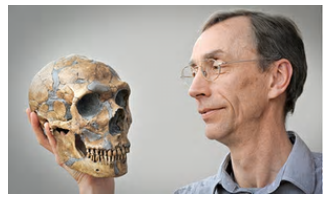
52.Svante Paabo: Sequenced Neanderthal DNA
53. Bradford Parkinson: The father of the Global Positioning System, which revolutionized how we navigate
54. Abe Karem: invented the predator drone, transforming the nature of warfare
55. Gloria Steinem: The mother of feminism; by paving the way for women, challenged gender roles, thus indirectly paving the way for gays too
56. Barbara Walters: trail blazer and iconic role model for women in media; helped make news more celebrity focused
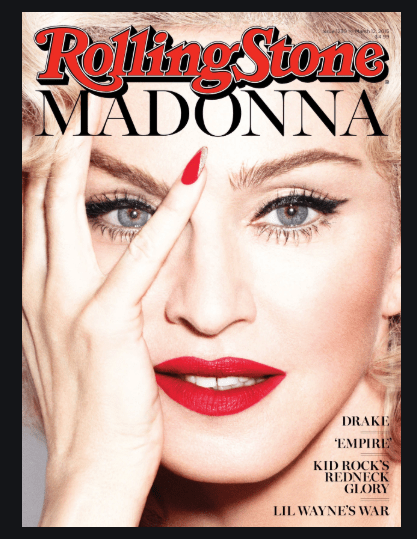
57. Madonna: paved the way for an entire generation of provocative female performers such as Lady Gaga inflaming Muslim rage against America and helped make sexual deviance culturally acceptable, paving the way for gay marriage.
58. Howard Stern: revolutionized American radio and helped make American culture more vulgar and sexual
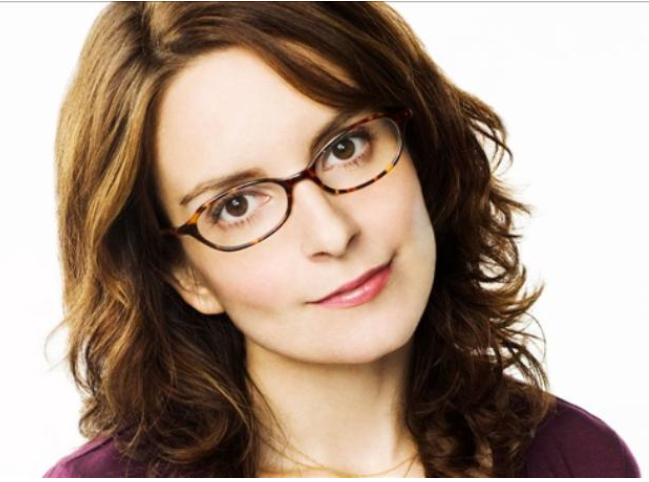
59. Tina Fey: her impersonation of Sarah Palin helped cost her the election, paving the way for the first black president
60-61. Bob Woodward and Carl Bernstein: brought down a U.S. president and inspired a generation of journalists
62. Bill Moyers: played a key role in the Vietnam war
63-80. The neocons: Largely the visionaries and intellectual influence behind the extremely transformative foreign policy of the Bush43 administration
81. Tang Jiaxun: By opposing the Iraq war, helped position China to be one of its biggest winners.
82. Howard Kohr: executive director of the AIPAC during a critical period of U.S. foreign policy
83. Steven J Rosen: One of the top officials at AIPAC during a critical period of U.S. foreign policy
84. Dick Cheney: powerful Vice President during the transformative Bush administration
85. George Tenet: CIA director during a critical period of U.S. history
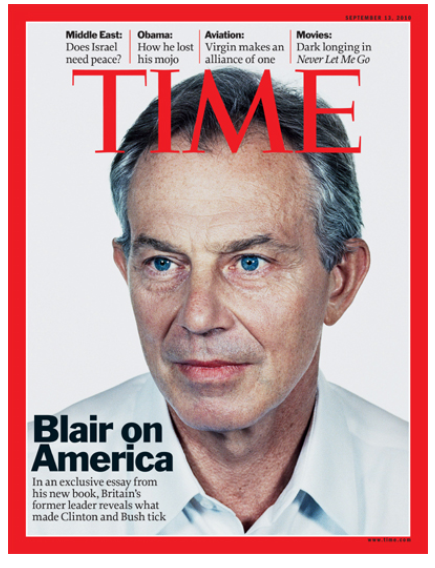
86. Tony Blair: Dragged Britain into war with Iraq & brought Clinton style third way politics to the UK
88-90. chad hurley steve chen and jawed karim: created youtube which revolutionized media
91-92. Google guys: launched the World’s most powerful search engine
93. Jimmy Wales: Changed the way the World shares knowledge
94. Khieu Samphan: played a critical role in the Vietnam war
95. General Khamtai Siphandon: played a key role in the Vietnam war
96. Paul McCartney: the leading living member of the most influential rock band of all time
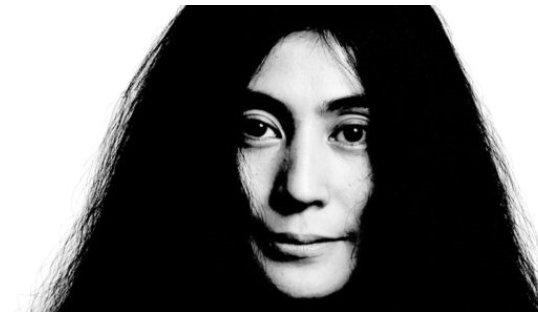
97. Yoko Ono: Advanced her ethnic genetic interests by inspiring the World’s most influential rock stars to inspire the hippies that ended the war in Asia.
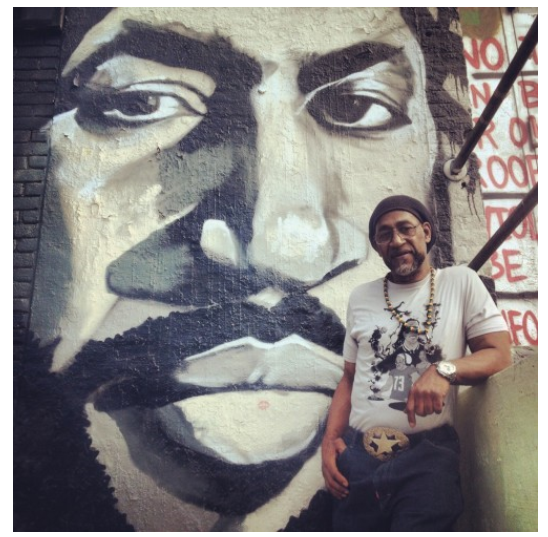
98. DJ Clive “Kool Herc” Campbell: the father of hip hop
99. Reed Hastings: co-founder of Netflix. Revolutionized the way we watch movies and TV.
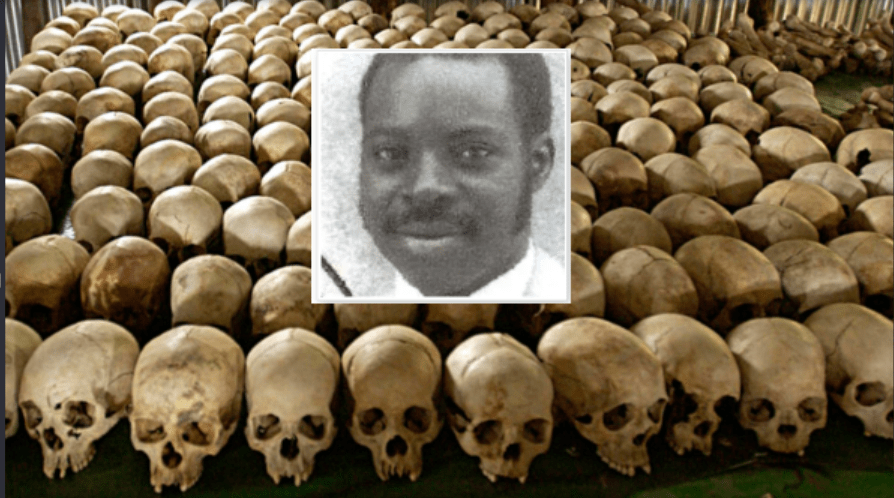
100. Bernard Munyagishari: accused of playing a key role in the 1994 Rwandan genocide.
One of the single best predictors of a population’s IQ is the winter temperature of their ancestral environment, with colder ancestral winters predicting higher IQ today. Explaining this correlation, Richard Lynn proposed that higher IQ evolved in colder environments because you had to figure out how how to build shelter, sew clothes, make fire, hunt animals etc.
To me this makes good sense, but critics would point to the cold adapted Neanderthals who are generally considered less intelligent than modern humans, as evidence of the cold not requiring much intelligence. After all the Neanderthals survived the ice age just fine until our own species invaded their territory.
Or did they? New research suggests that our species was not to blame for the Neanderthal extinction.
The Guardian’s science editor Ian Sample writes:
The Neanderthal population was so small at the time modern humans arrived in Europe and the Near East that inbreeding and natural fluctuations in birth rates, death rates and sex ratios could have finished them off, the scientists claim.
But why were their populations so small to begin with? Probably because they weren’t smart enough to adapt to the cold so their death rates remained too high for their population to grow. Despite the fact that their short muscular physiques were exquisitely adapted to the cold per Allen’s rule, it was a problem they never fully solved.
I hope all my fans, trolls and haters are enjoying the holidays! Here’s a wonderful song to get you in the Christmas spirit:
This song is especially meaningful to me because I really do live on a river I can skate away on. Well technically it’s a canal. It’s literally the World’s longest skating rink and I get to live on it.
Do I deserve to live here among the well-heeled and white bred; those who listen to Mozart and sip the finest Cabernet?
To quote the late great Daniel Seligman:
The connection between IQ and achievement has one positive implication. People who are at the top in [North American] life, are probably there because they’re more intelligent than the rest of us, which is doubtless the way most of us think it should be.
I love skating as fast as I can under the full moon of a cold January night..
then getting a nice warm beaver tail, to give me just enough energy to skate home.
Lion of the Blogosphere has an interesting article up about the genomics of height and intelligence. He writes:
Height, like intelligence, is a complicated polygenic trait involving hundreds, probably thousands, of genetic variants.
It’s interesting how the discussion has changed in recent years from genes to genetic variants. I even go further and now use the term “genomic variants”.
Lion continues:
But unlike intelligence, it’s not politically incorrect to study the genetics of height, or to assume that if a particular ethnicity is very tall or very short, then it’s because of genetics.
Because if you say a person or ethnicity is genetically smarter, we equate this with genetic superiority, a concept many people find offensive.
But in a way calling a group genetically taller also implies genetic superiority. Height is right up there with intelligence as one of the most universally valued traits. Not only do most women not want to date a guy under 5’9″ but sperm banks don’t even accept their sperm because they’re considered genetic trash.
The culture is awash in height supremacist metaphors: We “look up” to those we admire and “look down” on those we disdain. Taller men make more money, achieve more education, and are more likely to lead corporations and entire nations. “Standing tall” is a metaphor for having dignity.
But of course intelligence is what makes us human. Height is not.
The same techniques could be used to investigate intelligence. It would be beneficial to study the smartest ethnicity (Ashkenazi Jews) and extremely low-intelligence ethnicities like Aboriginal Australians and southern African Bushmen. I’m sure if we did that, we could discover additional genetic variants related to intelligence.
Scientists are working hard on exactly this, but because it’s politically incorrect to label any extant human populations “low intelligence”, they are instead focusing on extinct ones like Neanderthals. From aNew York Times article about Svante Paabo, who played a major role in sequencing the Neanderthal genome:
Reconstructing a Neanderthal genome was a tour de force, we can all agree, but why does it matter?
Paabo spends only a little time directly addressing this question. He argues that the Neanderthal genome can serve as a counterpoint to our own. It enables Paabo and his colleagues to draw up a list of mutations that our ancestors acquired after they split from Neanderthals. Among those mutations may be changes that led to our capacity for language, symbolic thought or the other traits that make us uniquely human.
These genes may hold key clues to the behavioral differences between modern humans and the extinct, archaic human species. According to Svante Pääbo of the Max Planck Institute, they could constitute “a catalog of genetic features that sets all modern humans apart from all other organisms, living or extinct.”
“I believe,” he added, “that in it hide some of the things that made the enormous expansion of human populations and human culture and technology in the last 100,000 years possible.”
What Homo Sapiens accomplished in 50-100k years far outstrips Neanderthal accomplishments over a much longer period of time.
So Pääbo is hoping that by studying the genomic variants that distinguish virtually all anatomically modern humans from virtually all Neanderthals, he’ll discover why our species colonized the entire planet, invented civilization and went to the moon, while Neanderthals languished in the stone age for hundreds of thousands of years.
But what if the biggest changes are very recent? In 2007 sciencemag.org stated:
Plentiful food has made it easier than ever before to survive and reproduce in many parts of the world, so it’s tempting to think that our species has stopped evolving. But a controversial new study says that isn’t so. Far from slowing down, human evolution has sped up in the past 40,000 years and has become 100 times faster in the past 5000 years alone, according to the analysis.
So should we think of the last 5000 years as half a million years of evolution?
Human evolution has been moving at breakneck speed in the past several thousand years, far from plodding along as some scientists had thought… In fact, people today are genetically more different from people living 5,000 years ago than those humans were different from the Neanderthals who vanished 30,000 years ago …
But if they were more similar to Neanderthals, why are they considered members of our own species, and if so much evolution has occurred in the last 5,000 years, how did we manage to look fully modern by 195,000 years ago (the age when our species first categorically appears in the fossil record)?
RR is right that IQ tests were originally designed to confirm existing prejudices of who was smart by deliberately selecting test items that so-called smart people did better on. This is ironic because the whole point of creating an IQ test was that teachers’ judgments were considered too biased to trust, so why did the first IQ testers rely on teachers to decide who was smart?
Psychometric tasks are great at being objective, but they’re not always great at measuring intelligence. By contrast teachers are great at judging intelligence, but they’re not always objective. Thus by selecting only those test items that most confirmed teacher judgement, they got the best of both worlds: An objective scale that was great at measuring intelligence.
Of course RR might argue that the teachers were just judging social class, not intelligence, and by extension so were the tests. Further he would argue that if the tests predicted socioeconomic success, it was not because smart people rise to the top, but rather because SES is all the tests were measuring in the first place.
However we now know that IQ tests predict life outcomes, not because they correlate with teacher’s judgments, but because they correlate with g; the general factor of IQ tests.
g is one of the best predictors of school and work performance (for a review, see [7], pp. 270–305; see also, [8,9]). Moreover, a test’s g loading (i.e., its correlation with g) is directly related to its predictive power. In general, tests with strong g loadings correlate strongly with school and work criteria, whereas tests with weak g loadings correlate weakly with such criteria. For example, Jensen ([7], p. 280) found that the g loadings of the Wechsler Adult Intelligence Scale (WAIS) subtests were directly related to their predictive power for school criteria (e.g., school grades and class ranks). WAIS subtests with stronger g loadings generally predicted school criteria well, whereas subtests with weaker g loadings predicted such criteria poorly. Consistent with these findings, Thorndike [10] found that g explained most of the predictable variance in academic achievement (80–90%), whereas non-g factors (obtained after removing g from tests) explained a much smaller portion of variance (10–20%). Similar results have been found for job training and productivity, which are robustly related to g but negligibly related to non-g factors of tests (e.g., rnon-g < 0.10, [7], pp. 283–285; see also, [9,11]).
g is whatever variable(s) causing all cognitive abilities to positively inter-correlate. RR will tell you g is circular logic because any cognitive ability that doesn’t correlate with g is excluded, but this is false.
As Arthur Jensen (1998) noted, there are very clear rules on a) what is an ability, and b) what is a cognitive ability, and none of them require a correlation with other cognitive abilities.
A test measures ability if it a) measures voluntary behavior, b) has temporal stability, c) has a clear standard of proficiency, and d) some generality. There is another set of criteria that determines whether a particular ability is mental or physical.
IQ skeptics can cite tests that don’t correlate with g, but these tests don’t qualify as ability measures. One example are so-called creativity tests where you’re asked to name as many uses for a brick as you can think of in two minutes. Such tests often lack a clear standard of proficiency because silly answers (i.e. use it to comb your hair) get the same credit as good answers (use it to smash a window).
No one to my knowledge has come up with a mental test that actually qualifies as an ability test yet does not correlate with g with the possible exception of the BITCH test (ironic name for a test that’s supposed to fight anti-black bias) however the BITCH test is clearly culturally biased. None of the major IQ tests are culturally biased against any of the founding racial subgroups of the United States (at least as defined by psychometric criteria).
I enjoyed watching this old episode of Donahue on Youtube. A few people have mocked and endlessly attacked me for my obsession with daytime talk shows, but the 1990s was really the golden age of the genre. I’m certainly not a fan of modern daytime TV and never watch it.
But then I’m biased because it’s what I grew up on. I’m a product of late 20th century suburbia and because both my parents worked outside the home, talk show hosts became my surrogate parents.
But maybe if I grew up in the 21st century inner-city like commenter Loaded, I would admire rappers instead.











































 Pumpkin Person