• About

Pumpkin Person

~ The psychology of horror

Pumpkin Person

Monthly Archives: February 2018

THE TERRIFYING CHEDDAR MAN!!!!!

08 Thursday Feb 2018

Posted by pumpkinperson in Uncategorized

≈ 202 Comments

cheddarman

Just the name Cheddar man gives me the creeps.  Sounds like the title of a slasher film.

MSN reports:

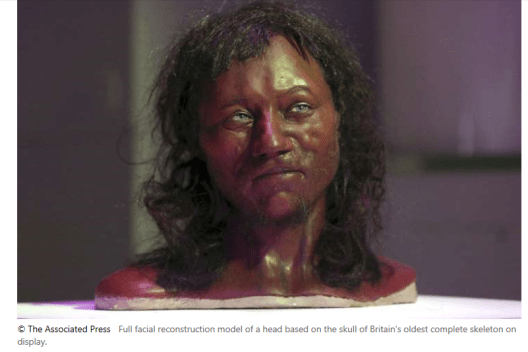
DNA from a 10,000-year-old skeleton found in an English cave suggests the oldest-known Briton had dark skin and blue eyes, researchers said Wednesday. Scientists from Britain’s Natural History Museum and University College London analyzed the genome of “Cheddar Man,” who was found in Cheddar Gorge in southwest England in 1903.

Scientists led by museum DNA expert Ian Barnes drilled into the skull to extract DNA from bone powder. They say analysis indicates he had blue eyes, dark curly hair and “dark to black” skin pigmentation.

The researchers say the evidence suggests that Europeans’ pale skin tones developed much later than originally thought.

“Cheddar Man subverts people’s expectations of what kinds of genetic traits go together,” said Tom Booth, a postdoctoral researcher at the museum who worked on the project.

“It seems that pale eyes entered Europe long before pale skin or blond hair, which didn’t come along until after the arrival of farming.”

So it seems the earliest Caucasoids looked pretty much identical to today’s South Asians, except with blue eyes or green eyes, as some rare South Asians today have.

southasian.

Also interesting was this quote:

Cheddar Man is the oldest complete skeleton found in Britain. Humans had lived in Britain off and on for thousands of years before his time, but they had been wiped out during periodic ice ages.

So once again we see evidence of just how hard it was to survive the extreme cold of the ice age, thus supporting Richard Lynn’s claim that cold winters were a major selection factor in the evolution of alleged racial IQ gaps.

Of course if climate were the only factor we’d expect Inuit to be among the World’s smartest people, and they don’t appear to be (though they are among the biggest brained), so obviously some other factor(s) would have to be involved too, if you accept HBD.  Richard Lynn argued the other factor was population size increasing the odds of favourable mutations (Inuit lacked big populations and were geographically isolated).

In his 2006 magnum opus, Race Differences in Intelligence: An Evolutionary Analysis, Lynn writes:

The Arctic Peoples experienced the severest winter conditions of all the races with coldest winter temperatures of about -15°C and falling to about -20° C during the main Wiirm glaciation. In response to these cold winters the Arctic Peoples evolved more pronounced forms of the morphological cold adaptations of the East Asians, consisting of the flattened nose, the short legs and thick trunk, the subcutaneous layer of fat that gives the skin a yellowish appearance, and the epicanthic eye-fold. These severe winters would be expected to have acted as a strong selection for increased intelligence, but this evidently failed to occur because their IQ is only 91.

The explanation for this must lie in the small numbers of the Arctic Peoples whose population at the end of the twentieth century was only approximately 56,000 as compared with approximately 1.4 billion East Asians. While it is impossible to make precise estimates of population sizes during the main Wurm glaciation, there can be no doubt that the East Asians were many times more numerous than the Arctic Peoples. The effect of the difference in population size will have been that mutations for higher intelligence occurred and spread in the East Asians that never appeared in the Arctic Peoples. The East Asians consisting of the Chinese, Koreans, and Japanese would have formed a single extended breeding population of demes in which mutant alleles for high intelligence would have spread but would not have been transmitted to the Arctic Peoples isolated by high mountain ranges and long distance.

The Arctic Peoples did, however, evolve a larger brain size, approximately the same as that of the East Asians, so it is curious that they do not have the same intelligence. A possible explanation for this is that the Arctic Peoples have evolved strong visual memory that would have been needed when they went out on long hunting expeditions and needed to remember landmarks in order to get home in largely featureless environments of snow and ice. An increase of this ability would have required an increase in brain size but is not measured in intelligence tests.

A further possibility is that one or more new mutant alleles for more efficient neurophysiological processes underlying intelligence may have appeared in the East Asians but not in the Arctic Peoples.

There is a further anomaly in the intelligence of the peoples of Northeast Asia concerning the IQs of the Mongols of Mongolia and the closely related Samoyeds of Northern Siberia. There are no studies of the intelligence of these peoples but their low level of cultural development and technology suggests that it is not so high as that of the East Asians of China, Japan, and Korea. Yet these peoples also experienced many thousands of years of severe winter environments that have produced the pronounced morphological cold adaptations of the epicanthic eye-fold, short legs, and thick trunk that evolved in the Arctic Peoples. The probable explanation of this anomaly is the small population size of these peoples (the population of present- day Mongolia is approximately 2.4 million and there are only a few tens of thousands of Samoyeds of Northern Siberia) and they have been isolated from neighboring peoples by the Gobi desert and high mountain ranges, so new mutations for higher intelligence did not occur and their geographical isolation would have prevented the acquisition of these mutations from other races.

JayMan on the other hand argued that it was not population size, but civilization, that explains why not all cold winter races score high.  He argues that races that had both cold winters and civilization evolved the highest IQs (Northeast Asians), and those that had neither remained the lowest (Bushmen, pygmies, Australoids) , with the rest falling in between.

JayMan writes:

So it seems that different latitudinal regions have different ceilings. Broadly speaking, the IQ ceiling in sub-Saharan Africa is lower than it is North Africa, the Middle East, and South Asia, which is in turn lower than it is in Europe and Northern Asia. Average IQ is allowed to rise somewhat in these northern regions, as the Mongolians, Siberians, Inuit, and Native Americans demonstrate. Civilization then takes it “all the way”.

Of course others might argue civilization was the cause, not the product, of high IQ.
 

Share this:

  • Click to share on X (Opens in new window) X
  • Click to share on Facebook (Opens in new window) Facebook
Like Loading...
IQ, Interoception, and the Heartbeat Counting Task: What Does It Mean? by Race Realist

06 Tuesday Feb 2018

Posted by pumpkinperson in Uncategorized

≈ 80 Comments

[Note from Pumpkin Person, Feb 6, 2018: The following is a guest article by Race Realist and does not necessarily reflect the views of Pumpkin Person.  Out of respect for the author, please try to keep all comments on topic.  Conversations naturally evolve, but at least start on topic]

We’re only one month into the new year and I may have come across the most ridiculous paper I think I’ll read all year. The paper is titled Knowledge of resting heart rate mediates the relationship between intelligence and the heartbeat counting task. They state that ‘intelligence’ is related to heartbeat counting task (HCT), and that HBC is employed as a measure of interoception—which is a ‘sense’ that helps one understand what is going on in their body, sensing the body’s internal state and physiological changes (Craig, 2003; Garfinkel et al, 2015).

Though, the use of HCT as a measure of interoception is controversial (Phillips et al, 1999; Brener and Ring, 2016) mostly because it is influenced by prior knowledge of one’s resting heart rate. The concept of interoception has been around since 1906, with the term first appearing in scientific journals in the 1942 (Ceunen, Vlaeyen, and Dirst, 2016). It’s also interesting to note that interoceptive accuracy is altered in schizophrenics (who had an average IQ of 101.83; Ardizzi et al, 2016).

Murphy et al (2018) undertook two studies: study one demonstrated an association with ‘intelligence’ and HCT performance whereas study 2 demonstrated that this relationship is mediated by one’s knowledge of resting heart rate. I will briefly describe the two studies then I will discuss the flaws (and how stupid the idea is that ‘intelligence’ partly is responsible for this relationship).

In both studies, they measured IQ using the Wechsler intelligence scales, specifically the matrix and vocabulary subtests. In study 1, they had 94 participants (60 female, 33 female, and one ‘non-binary’; gotta always be that guy eh?). In this study, there was a small but positive correlation between HCT and IQ (r = .261).

In study 2, they sought to again replicate the relationship between HCT and IQ, determine how specific the relationship is, and determine whether higher IQ results in more accurate knowledge of one’s heart rate which would then improve their scores. They had 134 participants for this task and to minimize false readings they were asked to forgo caffeine consumption about six hours prior to the test.

As a control task, participants were asked to complete a timing accuracy test (TAT) in which they were asked to count seconds instead of heartbeats. The correlation with HCT performance and IQ was, again, small but positive (r = -.211) with IQ also being negatively correlated with the inaccuracy of resting heart rate estimations (r = .363), while timing accuracy was not associated with the inaccuracy of heart rate estimates, IQ or HCT. In the end, knowledge of average resting heart rate completely mediated the relationship between IQ and HCT.

This study replicated another study by Mash et al (2017) who show that their “results suggest that cognitive ability moderates the effect of age on IA differently in autism and typical development.” This new paper then extends this analysis showing that it is fully mediated by prior knowledge of average resting heart rate, and this is key to know.

This is simple: if one has prior knowledge of their average resting heart rate and their fitness did not change from the time they were aware of their average resting heart rate then when they engage in the HCT they will then have a better chance of counting the number of beats in that time frame. This is very simple! There are also other, easier, ways to estimate your heart rate without doing all of that counting.

Heart rate (HR) is a strong predictor of cardiorespiratory fitness. So it would follow that those who have prior knowledge of their HRs would more fitness savvy (the authors don’t really say too much about the subjects if there is more data when the paper is published in a journal I will revisit this). So Murphy et al (2018) showed that 1) prior knowledge of resting heart rate (RHR) was correlated—however low—with IQ while IQ was negatively correlated with the inaccuracy of RHR estimates. So the second study replicated the first and showed that the relationship was specific (HCT correlated with IQ, not any other measure).

The main thing to keep in mind here is that those who had prior knowledge of their RHR scored better on the task; I’d bet that even those with low IQs would score higher on this test if they, too, had prior knowledge of their HRs. That’s, really, what this comes down to: if you have prior knowledge of your RHR and your physiological state stays largely similar (body fat, muscle mass, fitness, etc) then when asked to estimate your heart rate by, say, using the radial pulse method (placing two fingers along the right side of the arm in line just above the thumb), they, since they have prior knowledge, will more accurately guess their RHR, if they had low or high IQs, regardless.

I also question the use of the HCT as a method of interoception, in line with Brener and Ring (2016: 2) who write “participants with knowledge about heart rate may generate accurate counting scores without detecting any heartbeat sensations.” So let’s say that HCT is a good measure of interoception, then it still remains to be seen whether or not manipulating subjects’ HRs would change the accuracy of the analyses. Other studies have shown that testing HR after one exercises, people underestimate their HR (Brener and Ring, 2016: 2). This, too, is simple. To get your max HR after exercise, subtract your age from 220. So if you’re 20 years old, your max HR would be 200, and after exercise, if you know you’re body and how much energy you have expended, then you will be able to estimate better with this knowledge.

Though, you would need to have prior knowledge, of course, of these effects and knowledge of these simple formulas to know about this. So, in my opinion, this study only shows that people who have a higher ‘IQ’ (more access to cultural tools to score higher on IQ tests; Richardson, 2002) are also more likely to, of course, go to the doctor for checkups, more likely to exercise and, thusly, be more likely to have prior knowledge of their HR and score better than those with lower IQs and less access to these types of facilities where they would have access to prior knowledge and get health assesments to have prior knowledge like those with higher IQs (which are more likely to be middle class and have more access to these types of facilities).

I personally don’t think that HCT is a good measure of interoception due to the criticisms brought up above. If I have prior knowledge of my HR (average HR for a healthy person is between 50-75 BPM depending on age, sex, and activity (along with other physiological components) (Davidovic et al, 2013). So, for example,if my average HR is 74 (I just checked mine last week and I checked it in the morning, and averaged 3 morning tests one morning was 73, the other morning was 75 and the third was 74 for an average of 74 BPM), and I had this prior knowledge before undergoing this so-called HCT interoception task, I would be better equipped to score better than one who does not have the same prior knowledge of his own heart rate as I do.

In conclusion, in line with Brener and Ring (2016), I don’t think that HCT is a good measure for interoception, and even if it were, the fact that prior knowledge fully mediates this relationship means that, in my opinion, other methods of interoception need to be found and studied. The fact that if someone has prior knowledge of their HR can and would skew things—no matter their ‘IQ’—since they know that, say, their HR is in the average range (50-75 BPM). I find this study kind of ridiculous and it’s in the running for most ridiculous things I have read all year. Prior knowledge (both with RHR and PEHR; post-exercise heart rate) of these variables will have you score better and, since IQ is a measure of social class then with the small correlation between HCT and IQ found by Murphy et al (2018), some (but most is not) is mediated by IQ, which is just largely tests for skills found in a narrow social class, so it’s no wonder that they corrrlate—however low—and the reason why the relationship was found is obvious, especially if you have some prior knowledge of this field.

Share this:

  • Click to share on X (Opens in new window) X
  • Click to share on Facebook (Opens in new window) Facebook
Like Loading...

The 100 most influential LIVING people of all time

04 Sunday Feb 2018

Posted by pumpkinperson in Uncategorized

≈ 175 Comments

I created a list of the 100 most influential people on the planet.  Time magazine already has a similar list, but theirs is not ranked, and is so absurdly politically correct, incoherent and celebrity focused that it’s not credible. Forbes publishes a much better list of the most powerful people in the World, but as Condi Rice once said, power means nothing unless you can turn it into influence.

So I made a list of people with real impact; people without whom the World would be a very different place. It could be a good impact or a bad impact, and while some on the list have been a force for good, many are far too evil.

Measuring influence is more art than science,  but I tried to be objective.  I polled my readers on who the most influential people are but most of the folks they picked were just those with forms of power (political, financial, cultural, religious), and not actual historical impact.

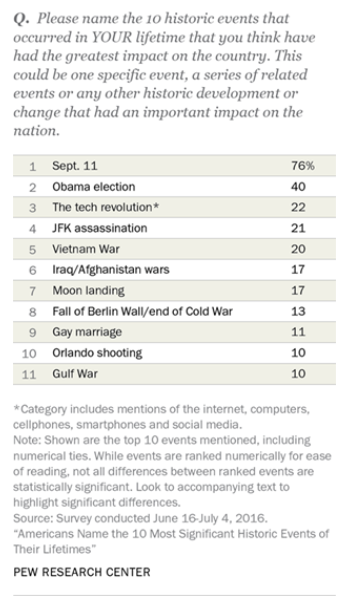
I realized people are much better at knowing what has influenced them, then who has influenced them, so I found a Pew poll asking Americans what events of their lifetime had most influenced the country.  The results were as follows:

pew

Because the poll was taken the summer before Trump was elected, it was a bit outdated, so I decided to assign Trump’s election the same importance as the Pew poll had assigned Obama’s (a score of 40%), since Trump’s kind of the anti-Obama.  Of course a poll of Americans about events affecting America is U.S.-centric, however America’s been the World’s most important country for as long as anyone can remember, so any truly important event in recent World history should affect America.

The next step was to decide who had most influenced these events.  I used a scale of one to four, so if one was extremely important to the event, they got a 4 for that event, and if they were only slightly important, they got a 1.  If not important at all, they got a 0.  These numbers were then multiplied by the importance of the event as measured by the poll and summed across events to determine each person’s impact score.

So for example, if someone got a 4 for the Vietnam war (which has an importance of 20% according to the Pew poll) but only a 1 for the moon landing (which has an importance of 17%), and 0 for all other important events, their impact score would be 97, because 4*20+1*17=97.

In cases where a person’s influence on an event was a matter of conspiracy theory (i.e. JFK assassination) I tried to strike a balance between the conspiracy theory (if it was plausible) and the skeptics.

My list was inspired by the great Jewish author Michael Hart’s book The 100, except his was the most influential people of all time. This list is  The Living 100: The 100 most influential LIVING people of all time.

Here is the complete list ranked from most influential to least influential:

1. George W. Bush [impact score 406]: President of the United States during 9/11 and the start of the war on terror.  Helped save millions of lives in Africa.

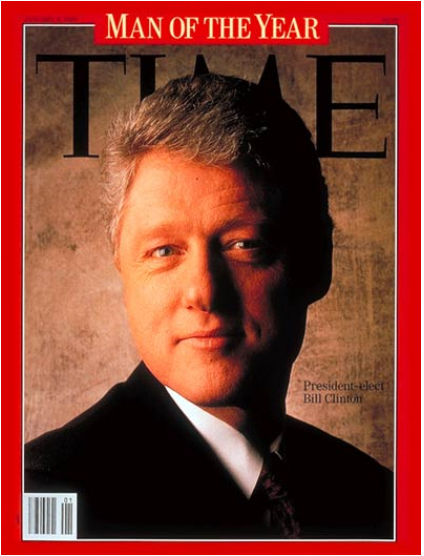
clinton

2. Bill Clinton [impact score 349]: President of the World’s most influential country at the peak of its influence

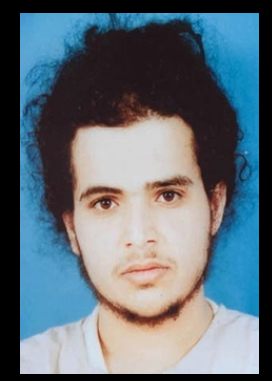
3. Khalid Sheikh (Shaikh) Mohammed [impact score 304]: considered a mastermind of the September 11th attacks which dramatically changed the World

4. George Soros [impact score 303]: Instrumental in advancing leftist policies in America and Europe

5. Oprah [impact score 280]: Created confession culture &  a more intimate form of media communication, paving the way for social media and reality TV. Broke the taboo over discussing sexual abuse, leading millions of victims to recovery. Even back in the 1980s, popularized a genre of talk show that’s been credited with mainstreaming LGBT people. Played the decisive role in electing the first black president and first black First Lady of the United States; a President who brought health care to millions of Americans. Her televised book club has been credited with making literature accessible to millions.

xi

6. Xi Jinping [impact score 228]: presiding over the rise of China with economic policies that turned the Iraq war to China’s advantage.  The fear that China duped America in trade deals helped inspire Trump to run for President.

iger

7. Bob Iger [impact score 212]: helped shape American media for decades thus paving the way for a black president and gay rights.

8. Gerald Levin [impact score 212]: consolidated mass media in America

9. Michael Eisner [impact score 212]: influential media mogul

abu

10. Abū Bakr al-Baghdadi [impact score 211]: helped lead a terrorist movement

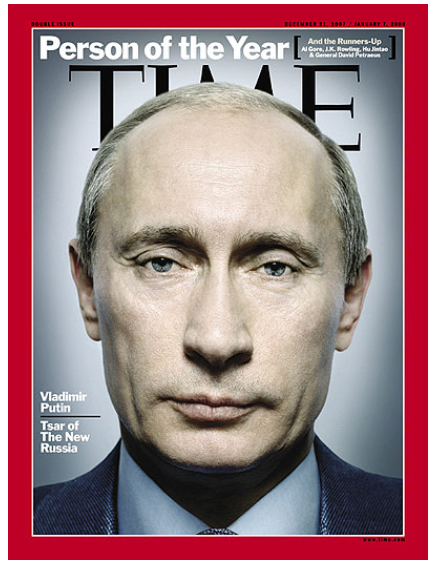
putin

11. Vladimir Putin [impact score 200]: Although his direct influence on the election of Trump has been greatly exaggerated, according to commenter Tenn he has changed the world’s geopolitical landscape more in recent years than has any other individual.

dorsey

12. Jack Dorsey [impact score 186]: the founder and CEO of twitter

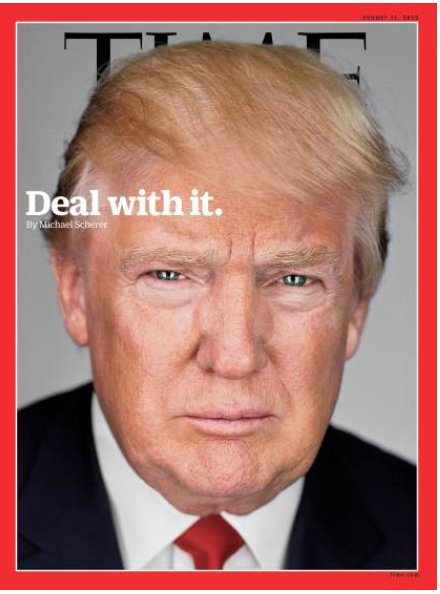
donald

13. Donald Trump [impact score 180]: the man who ended political correctness.

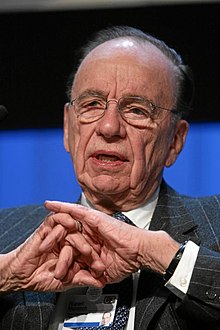
14. Rupert Murdoch [impact score 174]: his global right-wing media empire has changed the World

15. Mark Zuckerberg [impact score 164]: created the most influential social networking forum

rubin

16. Robert Rubin [impact score 160]: His advocacy for financial deregulation helped pave the way for the populist uprising that gave us Trump

17. Barack Obama [impact score 160]: First black in recorded history to ever be the most powerful human on the planet. Brought dignity and status to over a billion blacks. Brought healthcare to millions of working Americans. Saved America from a great depression and the world from an apocalyptic war with Iran, and achieved gay rights.  Some foreign policy blunders combined with the controversy over his birth, helped pave the way for Trump.

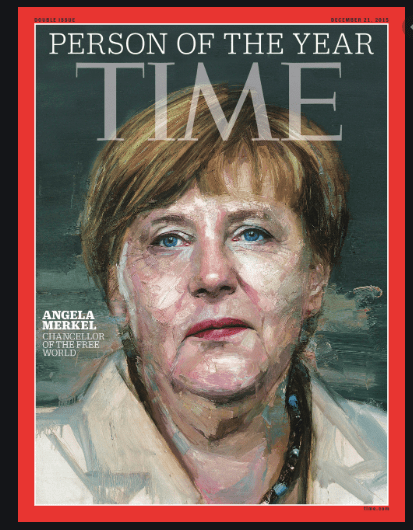
18. Angela Merkel [impact score 160]: played a major role in changing the demographics of Europe

19. Bashar Hafez al-Assad [impact score 160]: in power during the Syrian refugee crisis

20. John Kerry [impact score 160]: Helped launch Barack Obama’s career by letting him speak at the 2004 Democratic convention.  Later played a key role in the Iran nuclear deal.

21. David Plouffe [impact score 160]: played a key role in electing Barack Obama president

22. Katie Couric [impact score 160]:  The woman who destroyed Sarah Palin’s political ambitions, thus paving the way for Obama to get elected

assange

23. Julian Assange [impact score 160]:  In spite of  (or perhaps because) he is “autistic” according to a character in a Jonathan Franzen novel, the Nordic Assange advanced his ethnic genetic interests by helping Trump get elected.

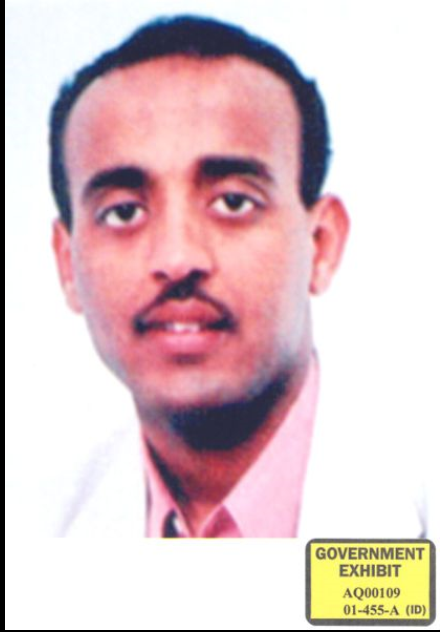
24. Mohammed Mana Ahmed al-Qahtani [impact score 152]: Accused of being one of the 9/11 coconspirators

25-29. The Dancing Israelis [impact score 152]: Their behavior on September 11th 2001 inspired countless conspiracy theories

30. Ramzi bin al-Shibh [impact score 152]: accused of being a key facilitator in the 9/11 attacks

31. Larry Silverstein [impact score 152]: His real-estate played a key role in history

32. Efraim Halevy[impact score 152]: served as director of Mossad during a period of great change

colin

33. Colin Powell [impact score 144]:  Helped pave the way for the first black President by normalizing the idea of black military leadership.  In 2003 he became the top salesman for transformative neocon foreign policy.

34. Phil Donahue [impact score 124]: paved the way for Oprah, by pioneering the provocative daytime talk show, the most important counter-culture movement of the late 20th century

35. David Axelrod [impact score 120]: played a key role in electing Barack Obama

36. Ricki Lake [impact score 120]: The Jewish Oprah; helped mainstream gays by hosting one of the more edgy Oprah style talk shows in the 1990s

37. Henry Kissinger [impact score 101]: According to Wikipedia, “Kissinger played a prominent role in United States foreign policy between 1969 and 1977. During this period, he pioneered the policy of détente with the Soviet Union, orchestrated the opening of relations with the People’s Republic of China, and negotiated the Paris Peace Accords, ending American involvement in the Vietnam War.

father

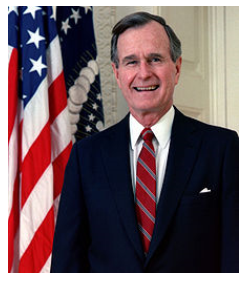
 38. George H.W. Bush [impact score 100] President of the United States during the peak of its power, presided over a war, Vice President to the transformative Ronald Reagan and father to the transformative George W. Bush

03_13

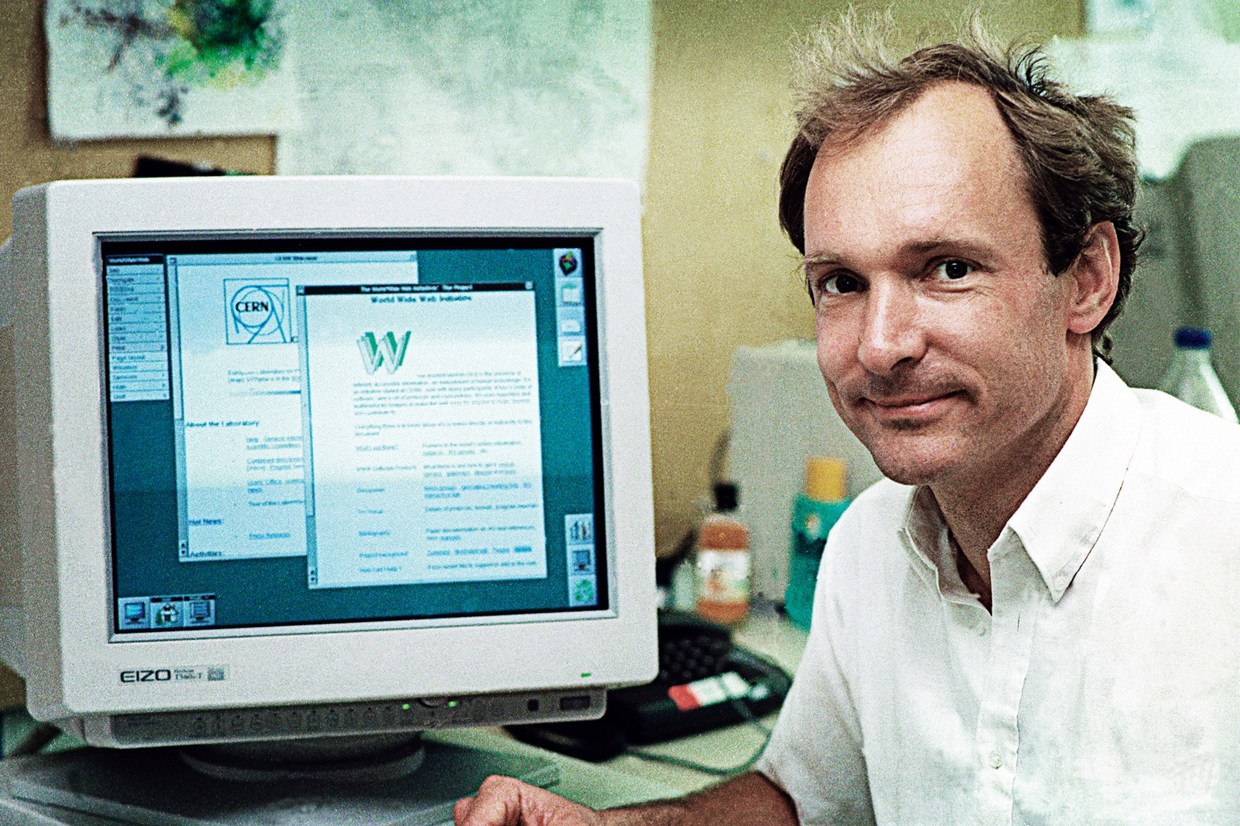
39. Tim Berners-Lee [impact score 88]: created the world wide web, the most transformative invention of our time.

40. Steve Wozniak [impact score 88]: Helped launch the technology revolution

41. Ian Wilmut [impact score 88]: first person to clone an animal

clone
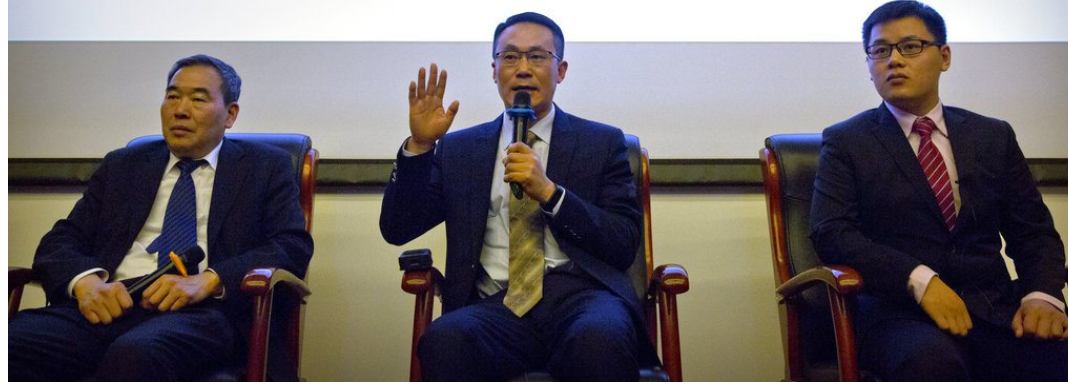
[from Left to right]Poo Muming, director of the Institute of Neurosciences at the Chinese Academy of Sciences, Sun Qiang, the director of the Nonhuman Primate Facility of the Institute of Neurosciences, center, and Liu Zhen

42-44. The Primate cloners [impact score 88]: first people to clone a primate, paving  the way for human cloning

gates

45-46. Bill Gates & Paul Allen [impact score 88]: played a key role in launching the computer revolution

paabo

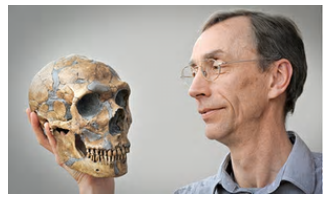
47.Svante Paabo [impact score 88]: Sequenced Neanderthal DNA

48. Bradford Parkinson [impact score 88]: The father of the Global Positioning System, which revolutionized how we navigate

49. Abe Karem [impact score 88]: invented the predator drone, transforming the nature of warfare

gloria

50. Gloria Steinem[impact score 87]: The mother of feminism; by paving the way for women, challenged gender roles, thus indirectly paving the way for gays too

51. Barbara Walters[impact score 87]: trail blazer and iconic role model for women in media; helped make news more celebrity focused

52. Madonna [impact score 87]: paved the way for an entire generation of provocative female performers such as Lady Gaga inflaming Muslim rage against America and helped make sexual deviance culturally acceptable, paving the way for gay marriage.

howard

53. Howard Stern[impact score 87]: revolutionized American radio and helped make American culture more vulgar and sexual

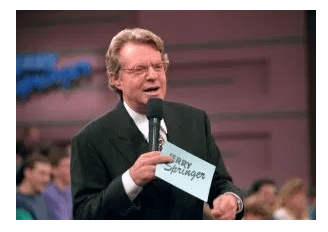
54. Jerry Springer [impact score 87]:  Made America more vulgar and sexual

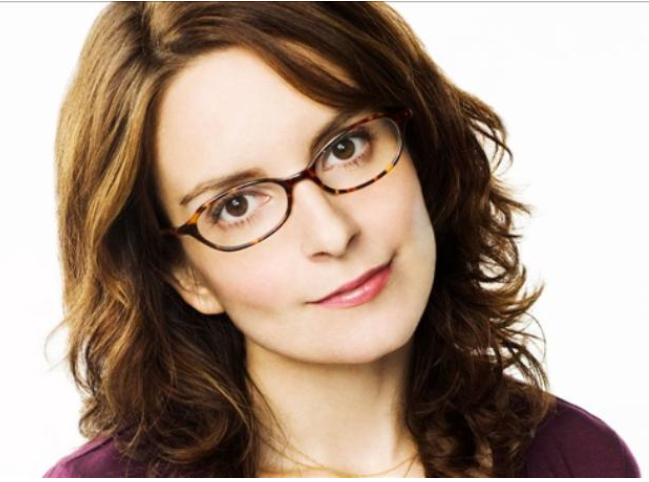
55. Tina Fey [impact score120]: her impersonation of Sarah Palin helped cost her the election, paving the way for the first black president

woodward

56-57. Bob Woodward and Carl Bernstein [impact score 80]: brought down a U.S. president and inspired a generation of journalists

58. Bill Moyers [impact score 80]: played a key role in the Vietnam war

dianna

59. Diana Ross [impact score 80]: helped pave the way for blacks in popular culture. Inspired a young Oprah and Michael Jackson to dream bigger.

condir

60. Condoleeza Rice [impact score 76] influential national security advisor during 9/11 and the run-up to the Iraq war.  Despite being considered an “Uncle Tom” by the left, she advanced her ethnic genetic interests by getting Bush to save millions of African lives

neocons3

61-80. The neocons [impact score 68]: Largely the visionaries and intellectual influence behind the extremely transformative foreign policy of the Bush43 administration

81. Tang Jiaxun [impact score 68]: By opposing the Iraq war, helped position China to be one of its biggest winners.

82. Howard Kohr [impact score 68]: executive director of the AIPAC during a critical period of U.S. foreign policy

83. Steven J Rosen [impact score 68]: One of the top officials at AIPAC during a critical period of U.S. foreign policy

84. Dick Cheney [impact score 68] powerful Vice President during the transformative Bush administration

85. George Tenet [impact score 68]: CIA director during a critical period of U.S. history

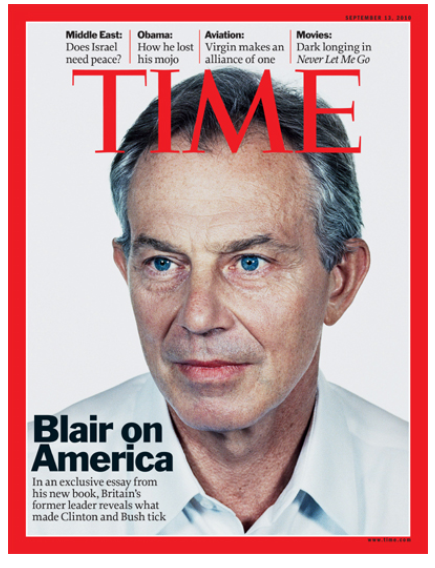
blair

86. Tony Blair [impact score 68]:  Dragged Britain into war with Iraq & brought Clinton style third way politics to the UK

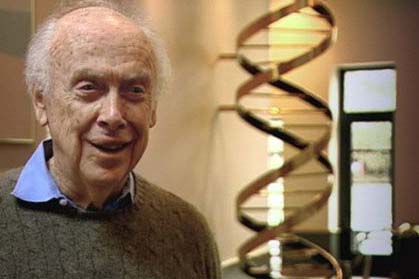
james_watson-dna_swiff

87. James Watson [impact score 66]: helped discover the structure of DNA, revolutionizing the fields of biology, anthropology and law.

88-90. chad hurley steve chen and jawed karim [impact score 66]: created youtube which revolutionized media

91-92. Google guys [impact score 66]: launched the World’s most powerful search engine

93. Jimmy Wales [impact score 66]: Changed the way the World shares knowledge

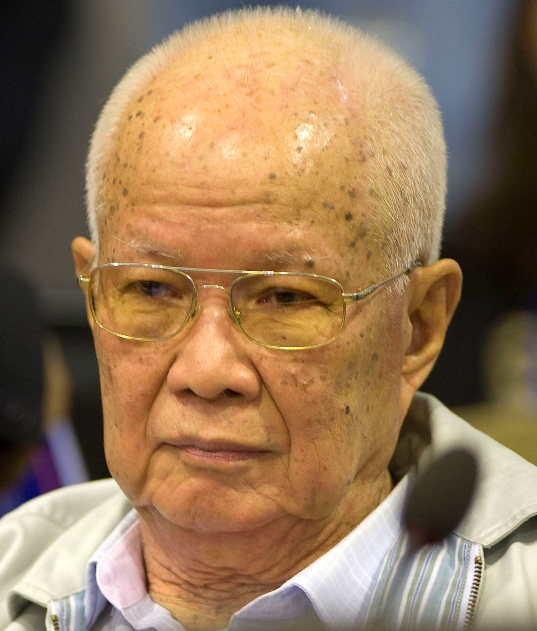
94. Khieu Samphan [impact score 60]: played a critical role in the Vietnam war

95. General Khamtai Siphandon [impact score 60]: played a key role in the Vietnam war

96. Nuon Chea [impact score 60]: played a key role in the Vietnam war

97. Paul McCartney [impact score 60]: the leading living member of the most influential rock band of all time

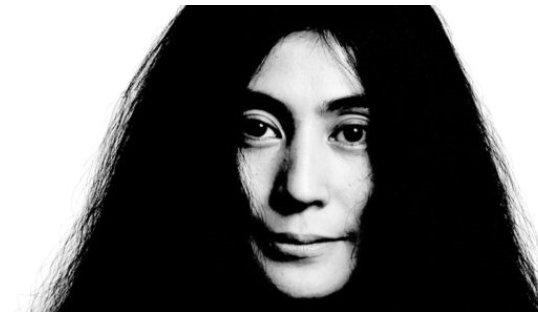
yoko

98. Yoko Ono [impact score 60]: Advanced her ethnic genetic interests by inspiring the World’s most influential rock stars to inspire the hippies that ended the war in Asia.

dj

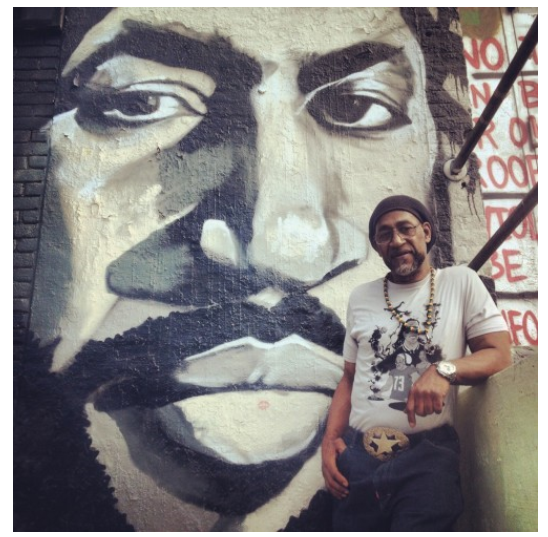
99. DJ Clive “Kool Herc” Campbell[impact score 60]: the father of hip hop

100. Mikhail Gorbachev [impact score 52]: played a key role in the fall of the Soviet Union

[Based on feedback from readers, this list was revised on Feb 4 – 5, 2018]

Share this:

  • Click to share on X (Opens in new window) X
  • Click to share on Facebook (Opens in new window) Facebook
Like Loading...
Newer posts →

contact pumpkinperson at easiestquestion@hotmail.ca

Recent Comments

RaceRealist's avatarRaceRealist on Which better predicts populati…
austin slater's avataraustin slater on Which better predicts populati…
RaceRealist's avatarRaceRealist on Which better predicts populati…
God's Word's avatarGod's Word on Which better predicts populati…
pumpkinperson's avatarpumpkinperson on Which better predicts populati…
RaceRealist's avatarRaceRealist on Which better predicts populati…
Anime's avatarAnime on Which better predicts populati…

Archives

  • December 2025
  • November 2025
  • October 2025
  • September 2025
  • August 2025
  • July 2025
  • June 2025
  • May 2025
  • April 2025
  • March 2025
  • February 2025
  • January 2025
  • December 2024
  • November 2024
  • October 2024
  • September 2024
  • August 2024
  • July 2024
  • June 2024
  • May 2024
  • April 2024
  • March 2024
  • February 2024
  • January 2024
  • December 2023
  • November 2023
  • October 2023
  • September 2023
  • August 2023
  • July 2023
  • June 2023
  • May 2023
  • April 2023
  • March 2023
  • February 2023
  • January 2023
  • December 2022
  • November 2022
  • October 2022
  • September 2022
  • August 2022
  • July 2022
  • June 2022
  • May 2022
  • April 2022
  • March 2022
  • February 2022
  • January 2022
  • December 2021
  • November 2021
  • October 2021
  • September 2021
  • August 2021
  • July 2021
  • June 2021
  • May 2021
  • April 2021
  • March 2021
  • February 2021
  • January 2021
  • December 2020
  • November 2020
  • October 2020
  • September 2020
  • August 2020
  • July 2020
  • May 2020
  • April 2020
  • March 2020
  • February 2020
  • January 2020
  • December 2019
  • November 2019
  • October 2019
  • September 2019
  • August 2019
  • July 2019
  • June 2019
  • May 2019
  • April 2019
  • March 2019
  • February 2019
  • January 2019
  • December 2018
  • November 2018
  • October 2018
  • September 2018
  • August 2018
  • July 2018
  • June 2018
  • May 2018
  • April 2018
  • March 2018
  • February 2018
  • January 2018
  • December 2017
  • November 2017
  • October 2017
  • September 2017
  • August 2017
  • July 2017
  • June 2017
  • May 2017
  • April 2017
  • March 2017
  • February 2017
  • January 2017
  • December 2016
  • November 2016
  • October 2016
  • September 2016
  • August 2016
  • June 2016
  • February 2016
  • January 2016
  • November 2015
  • May 2015
  • January 2015
  • December 2014
  • November 2014
  • October 2014

Categories

  • ethnicity
  • heritability
  • income
  • Oprah
  • Uncategorized

Meta

  • Create account
  • Log in
  • Entries feed
  • Comments feed
  • WordPress.com

Recent Comments

RaceRealist's avatarRaceRealist on Which better predicts populati…
austin slater's avataraustin slater on Which better predicts populati…
RaceRealist's avatarRaceRealist on Which better predicts populati…
God's Word's avatarGod's Word on Which better predicts populati…
pumpkinperson's avatarpumpkinperson on Which better predicts populati…
RaceRealist's avatarRaceRealist on Which better predicts populati…
Anime's avatarAnime on Which better predicts populati…

Archives

  • December 2025
  • November 2025
  • October 2025
  • September 2025
  • August 2025
  • July 2025
  • June 2025
  • May 2025
  • April 2025
  • March 2025
  • February 2025
  • January 2025
  • December 2024
  • November 2024
  • October 2024
  • September 2024
  • August 2024
  • July 2024
  • June 2024
  • May 2024
  • April 2024
  • March 2024
  • February 2024
  • January 2024
  • December 2023
  • November 2023
  • October 2023
  • September 2023
  • August 2023
  • July 2023
  • June 2023
  • May 2023
  • April 2023
  • March 2023
  • February 2023
  • January 2023
  • December 2022
  • November 2022
  • October 2022
  • September 2022
  • August 2022
  • July 2022
  • June 2022
  • May 2022
  • April 2022
  • March 2022
  • February 2022
  • January 2022
  • December 2021
  • November 2021
  • October 2021
  • September 2021
  • August 2021
  • July 2021
  • June 2021
  • May 2021
  • April 2021
  • March 2021
  • February 2021
  • January 2021
  • December 2020
  • November 2020
  • October 2020
  • September 2020
  • August 2020
  • July 2020
  • May 2020
  • April 2020
  • March 2020
  • February 2020
  • January 2020
  • December 2019
  • November 2019
  • October 2019
  • September 2019
  • August 2019
  • July 2019
  • June 2019
  • May 2019
  • April 2019
  • March 2019
  • February 2019
  • January 2019
  • December 2018
  • November 2018
  • October 2018
  • September 2018
  • August 2018
  • July 2018
  • June 2018
  • May 2018
  • April 2018
  • March 2018
  • February 2018
  • January 2018
  • December 2017
  • November 2017
  • October 2017
  • September 2017
  • August 2017
  • July 2017
  • June 2017
  • May 2017
  • April 2017
  • March 2017
  • February 2017
  • January 2017
  • December 2016
  • November 2016
  • October 2016
  • September 2016
  • August 2016
  • June 2016
  • February 2016
  • January 2016
  • November 2015
  • May 2015
  • January 2015
  • December 2014
  • November 2014
  • October 2014

Categories

  • ethnicity
  • heritability
  • income
  • Oprah
  • Uncategorized

Meta

  • Create account
  • Log in
  • Entries feed
  • Comments feed
  • WordPress.com

Blog at WordPress.com.

Privacy & Cookies: This site uses cookies. By continuing to use this website, you agree to their use.
To find out more, including how to control cookies, see here: Cookie Policy
  • Subscribe Subscribed
    • Pumpkin Person
    • Join 686 other subscribers
    • Already have a WordPress.com account? Log in now.
    • Pumpkin Person
    • Subscribe Subscribed
    • Sign up
    • Log in
    • Report this content
    • View site in Reader
    • Manage subscriptions
    • Collapse this bar
 

Loading Comments...
 

    %d